Do Polo Shirts Shrink After Washing
You finally find the perfect polo shirt. The fit is sharp. The collar stands properly. The fabric feels breathable and structured against your skin. It works with jeans, trousers, even layered under a light jacket. It becomes one of your most reliable pieces.
Then laundry day comes.
And suddenly, you hesitate.
Do polo shirts shrink after washing? Will it tighten around the chest? Will the sleeves shorten? Will it lose that clean silhouette you loved on day one?
You are not overthinking it. Many men worry about shrinkage because they have experienced it before. A shirt that once fit perfectly suddenly feels smaller, stiffer, or slightly distorted after just one wash. In Nigeria especially, where heat, water temperature, and washing habits vary widely, shrinkage is a real concern.
Let’s break it down properly so you understand what actually causes polo shirts to shrink and how to prevent it.
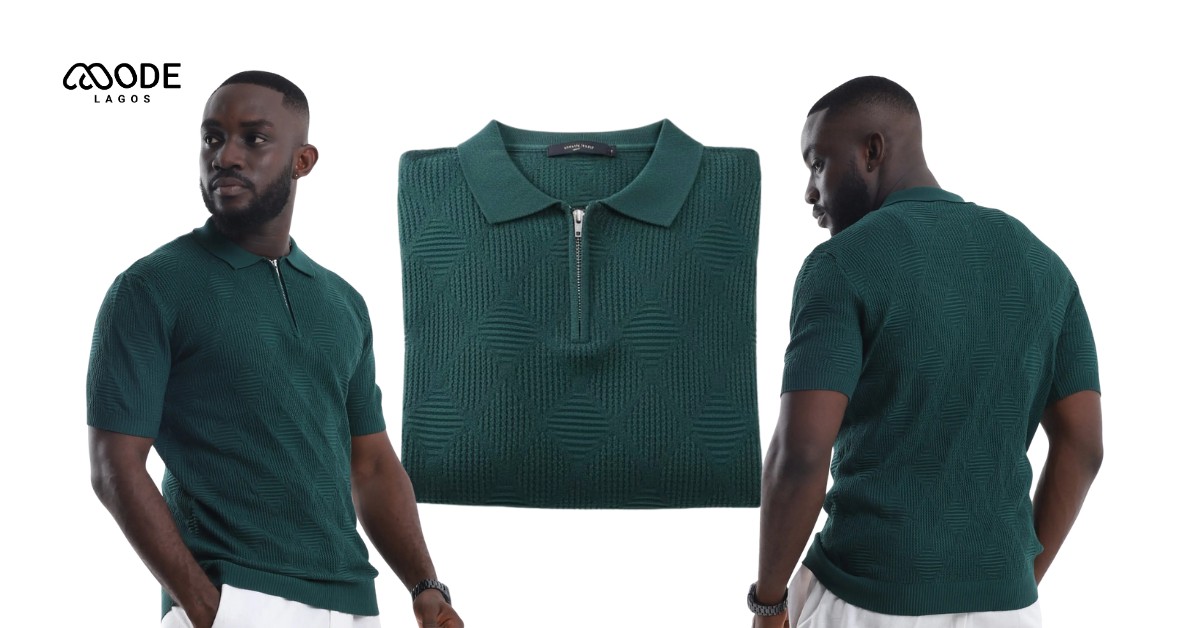
Why People Worry About Shrinkage
A good polo shirt is an investment. Whether it costs moderately or sits in the premium range, the expectation is durability. Nobody wants to buy a shirt that changes size after two washes.
Shrinkage feels like betrayal because it alters three important things:
- Fit
- Comfort
- Confidence
When a polo shirt shrinks, it can pull across the chest, shorten at the hem, or tighten around the sleeves. Even slight shrinkage can make the shirt feel restrictive.
In Nigeria, common washing mistakes make the situation worse. Many households use hot water without realizing its impact on cotton fibers. Some people dry shirts under intense direct sunlight for hours. Others overload washing machines or wring shirts aggressively. These habits may seem harmless, but they gradually damage fabric structure and increase the risk of shrinkage.
Do Polo Shirts Actually Shrink
The honest answer is yes, some polo shirts can shrink. But not all shrink equally, and not all shrink for the same reasons.
Cotton vs Blended Fabrics
Most polo shirts are made from cotton or cotton blends.
Pure cotton polos are breathable and comfortable, which is why they are popular in warm climates. However, cotton fibers naturally contract when exposed to high heat, especially during washing and drying. That contraction is what we call shrinkage.
Cotton blend polos, which include a small percentage of polyester or elastane, are generally more resistant to shrinking. The synthetic fibers help stabilize the fabric and maintain shape over time.
This does not mean blends are automatically better. It means fabric composition matters.
What Causes Shrinkage
Shrinkage does not happen randomly. It is usually the result of how the fabric is treated during washing and drying. Most polo shirts, especially cotton ones, react to heat and rough handling. When you understand the causes, you can easily avoid them.
Here are the main reasons polo shirts shrink:
- Hot Water
Hot water relaxes and breaks down the natural tension in cotton fibers. Once that tension is released, the fibers tighten as they dry, causing the shirt to reduce slightly in size.
- High Heat Drying
Excessive heat from dryers or prolonged exposure to intense sunlight speeds up fiber contraction. The hotter the temperature, the higher the risk of noticeable shrinkage.
- Aggressive Spinning or Wringing
Rough washing cycles, heavy agitation, or twisting the shirt by hand can distort the fabric structure. Over time, this weakens the fibers and increases shrinkage.
- Poor Quality Weaving
Loosely woven or low density cotton lacks structural stability. These fabrics are more vulnerable to shrinking because the fibers are not tightly secured during production.
If a polo shirt is made from lightweight, loosely constructed cotton, it is far more likely to shrink significantly compared to one made from dense, well structured fabric.

How to Prevent Shrinking
The good news is that shrinkage is largely preventable if you handle your polo shirts properly. Here are ways to prevent them from shrinking:
- Watch the Water Temperature
Cold or lukewarm water is your safest option. Hot water increases the risk of fiber contraction, especially for cotton polos. Washing in cooler temperatures protects both size and color. If your washing machine has temperature settings, choose the lower range.
If you wash by hand, avoid soaking your polo in hot water for long periods.
- Avoid High Heat Drying
Dryers are convenient, but high heat is one of the biggest causes of shrinkage.
Air drying is safer. Lay your polo shirt flat on a clean surface or hang it on a wide hanger to maintain shape. Avoid hanging it directly under harsh midday sun for too long, as extreme heat can stiffen fibers.
If you must use a dryer, select low heat and remove the shirt while it is slightly damp.
- Iron Carefully
Ironing can also cause subtle shrinkage if the temperature is too high.
Always check the care label. Use medium heat for cotton and avoid pressing too hard. Steam can help relax fibers without burning them. Iron inside out to protect the outer surface and collar structure.
Simple habits like these significantly extend the life of your polo shirts.
Do Premium Polos Shrink Less?
In most cases, yes.
Premium polo shirts are typically made with higher fabric density. That means the cotton is woven tighter and more consistently. Dense fabric maintains structure better and resists distortion.
Brands that focus on quality construction pay attention to stitching, collar reinforcement, and fabric pre treatment. Some premium polos are pre shrunk during manufacturing, reducing future shrinkage risk.
For example, brands like Mode Lagos emphasize fabric integrity and construction precision. When fabric is properly sourced and treated before production, it is less likely to shrink dramatically after washing.
Construction matters as much as fabric. Strong seams, balanced tension during stitching, and reinforced collars help the shirt retain its original shape.

Frequently Asked Questions
When it comes to caring for polo shirts, a few practical questions come up again and again. Understanding the right answers helps you protect the fit, fabric, and overall lifespan of your shirt.
Here are the most common concerns, briefly explained:
- Can You Unshrink a Polo Shirt
Partially, yes.
If your polo has only slightly shrunk, you may be able to relax the fibers. Soak the shirt in lukewarm water mixed with a small amount of hair conditioner. This helps loosen the cotton fibers. After soaking, gently stretch the shirt back into shape while it is still damp, then lay it flat to dry.
However, if the shrinkage is severe, it is usually permanent. That is why proper washing and drying habits are far more effective than trying to fix damage later.
- Should Polos Be Air Dried
Yes, air drying is generally the safest option.
High heat from dryers is one of the biggest causes of shrinkage and fabric damage. Air drying reduces heat exposure and helps maintain both the size and color of your polo. Lay the shirt flat or hang it carefully while shaping the shoulders properly. Avoid thin hangers that can distort the shoulder line and stretch the fabric.
- How Often Should You Wash Polos
You do not need to wash your polo after every single wear.
If you wore it briefly and it is not sweaty or stained, simply airing it out can be enough. Overwashing increases wear and tear, weakens fibers, and fades color faster.
In most cases, washing after two to three wears is reasonable, unless you are in a hot climate or wore the shirt for extended periods. Being intentional about washing frequency significantly extends the life of your polos.
Care Equals Longevity
So, do polo shirts shrink after washing?
They can. But shrinkage is not random. It is usually the result of fabric type, heat exposure, and care habits.
When you understand the difference between cotton and blends, when you avoid high heat, and when you respect fabric construction, your polos maintain their shape for much longer.
Quality also plays a role. Well constructed polo shirts, like those produced by Mode Lagos, are designed with durability in mind. Fabric density, stitching strength, and thoughtful finishing all contribute to long term performance.
At the end of the day, caring for your polo shirt is simple. Wash gently, dry wisely and iron carefully. A great polo is not just about how it looks on day one. It is about how it looks after ten washes, twenty wears, and months of movement.
Care equals longevity. And longevity always looks sharp.